

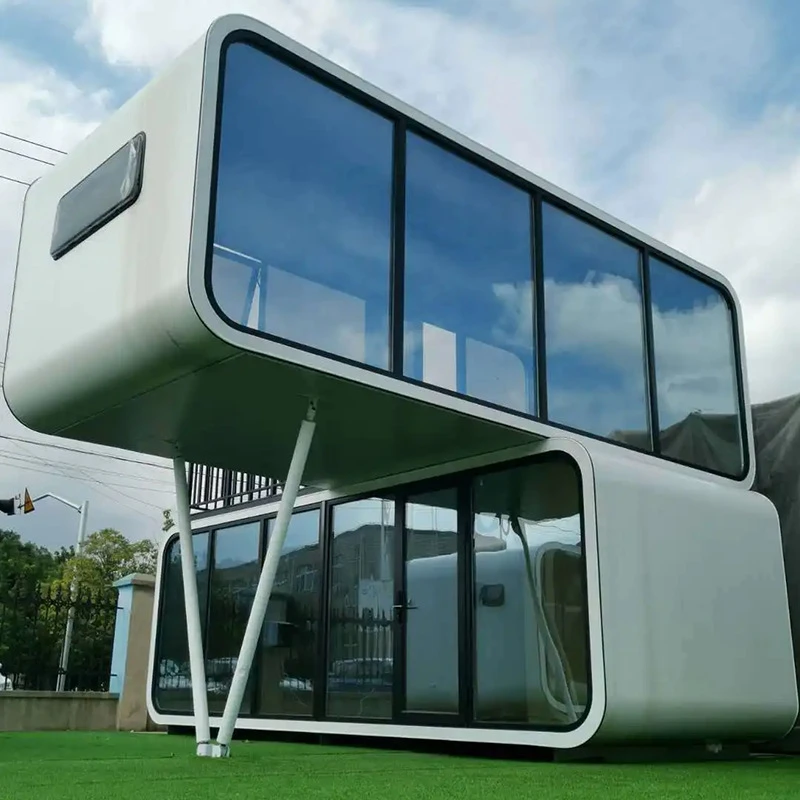
A mobile room offers an alternative to conventional building methods by bringing product manufacturing and project planning closer together. Instead of managing every construction activity at the destination, buyers can source a factory-produced unit designed around a specific application.
Whether you are expanding a holiday resort, supplying accommodation products to local markets, or adding usable space to an existing property, understanding the product's configuration and lifecycle costs can help you make a more informed purchasing decision.
What Should You Look for When Selecting a Mobile Room?
Not every mobile room is designed for the same purpose. A unit intended for occasional leisure use may have different requirements from one serving as commercial accommodation throughout the year.
Before selecting a model, identify its primary function, expected occupancy, operating environment, and required facilities. A mobile house for residential use may need a more comprehensive arrangement of sleeping, sanitary, storage, and utility functions. A unit intended for reception or office use may prioritize workspace, lighting, electrical access, and visitor circulation.
Buyers should also distinguish between the external footprint and the usable interior area. The dimensions of furniture, bathroom fixtures, doors, and circulation spaces all influence how comfortably the finished room can be used.
A clear specification at the beginning helps prevent unnecessary upgrades and costly design changes later.
Which Design Features Make a Mobile Room More Valuable?
The most effective design decisions are those that improve daily use rather than simply adding decorative features.
For hospitality projects, an appealing entrance, practical luggage storage, comfortable sleeping arrangements, and easy-to-clean finishes can contribute to a better guest experience. For commercial users, accessible service points and well-planned electrical arrangements may be more important.
A mobile capsule room can provide a distinctive exterior for projects where visual identity matters. Meanwhile, a prefab capsule room can be configured with different interior finishes and equipment packages to match the target market.
Buyers comparing a capsule home with a conventional compact dwelling should assess the complete layout rather than relying on exterior photographs alone. Request floor plans and interior images to evaluate the actual usable space.
How Can Factory Production Simplify Procurement?
For overseas buyers, procurement often involves more than placing an order. Product specifications, component compatibility, inspection procedures, packaging, and shipping arrangements all need to be coordinated.
A factory-produced unit can bring these activities into a more structured process. Drawings and configuration details can be confirmed before production, while components can be assembled according to an agreed specification.
A Prefabricated capsule can be suitable for projects that require multiple units with consistent layouts. For distributors, standardized options may simplify product selection and after-sales communication. For developers, a coordinated order can help align delivery with site preparation.
How Do You Evaluate Materials and Long-Term Performance?
A mobile room must be assessed according to the conditions in which it will operate. A unit installed in a cold climate may require a different insulation specification from one used primarily in a mild environment. Coastal locations, humid regions, and sites with strong wind exposure may also require additional consideration.
When reviewing a proposed space prefab home, ask the manufacturer to specify the structural system, exterior enclosure, roof construction, insulation arrangement, window configuration, and relevant protective treatments.
Electrical equipment, water systems, ventilation, and bathroom installations should also be matched to the intended use. Where local regulations apply, confirm that the proposed configuration can meet the relevant building and safety requirements.
For buyers comparing a fabricated house with conventional construction, the objective is to evaluate documented product performance, expected maintenance, and suitability for the installation site-not simply the initial purchase price.
Can Mobile Rooms Support Different Business Models?
The flexibility of mobile construction creates opportunities for businesses with different investment goals.
Hospitality operators can use a capsule tiny house concept to develop individual guest units with a recognizable design. Tourism businesses may use compact accommodation to make better use of suitable land. Distributors and wholesalers can evaluate a standardized product range for their local customers, while property owners may choose a unit as an additional guest space or private retreat.
For larger developments, multiple units can be planned as coordinated prefab buildings. A group of rooms may share a consistent exterior appearance while offering different interior packages for different customer segments.
Although mobile rooms can be used in many settings, the suitability of each project depends on site conditions, transportation access, local approvals, and the product specification.
A successful purchase begins with a product specification that reflects your actual business needs. The right solution should balance practical design, documented quality, manageable logistics, and long-term operating requirements.
Whether you are sourcing a mobile house, developing a capsule home accommodation project, or purchasing modular units for distribution, we can discuss suitable configurations based on your requirements.
Contact our team to request product specifications and a customized quotation. Please share your target application, quantity, destination country, and preferred configuration so we can assess your project and recommend an appropriate solution.
sasha@sddinglin.com
