

Wind resistance is a crucial factor to consider when selecting building materials, especially for exterior applications. As an aluminum veneer supplier, I often encounter inquiries from clients about the wind resistance of aluminum veneer. In this blog post, I will delve into the concept of wind resistance, how it applies to aluminum veneer, and the factors that influence it.
Understanding Wind Resistance
Wind resistance, also known as aerodynamic resistance, refers to the force exerted by the wind on an object. In the context of building materials, it is the ability of a material to withstand the pressure and forces generated by the wind without suffering damage or displacement. High wind resistance is essential for exterior building materials, as they are constantly exposed to various wind conditions, from gentle breezes to powerful storms.
Why Aluminum Veneer?
Aluminum veneer has become a popular choice for exterior cladding in modern architecture due to its numerous advantages, including its excellent wind resistance. Here are some reasons why aluminum veneer is well - suited to withstand wind forces:
Lightweight yet Strong
Aluminum is a lightweight metal, which means that the overall weight of the aluminum veneer panels is relatively low. This reduces the load on the building's structure. At the same time, aluminum has high strength - to - weight ratio. The alloying elements and manufacturing processes can further enhance its strength, allowing it to resist the wind pressure without being easily deformed.
Flexibility in Design
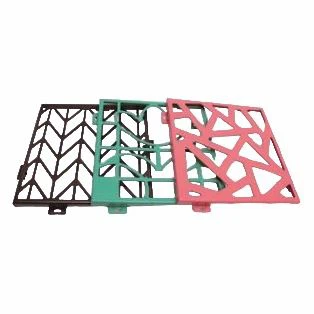
Aluminum veneer can be fabricated into various shapes and sizes, including Flat Aluminum Plate, Stone - patterned Aluminum Plate, and Engraved Aluminum Plates. This flexibility in design enables architects and designers to create aerodynamic shapes that can reduce wind resistance. For example, curved or streamlined panels can help the wind flow smoothly around the building, minimizing the pressure points.
Corrosion Resistance
Aluminum forms a natural oxide layer on its surface, which provides excellent corrosion resistance. This means that the aluminum veneer can maintain its structural integrity over time, even in harsh environmental conditions. A well - maintained aluminum veneer will not lose its wind - resistant properties due to corrosion, ensuring long - term performance.
Factors Affecting the Wind Resistance of Aluminum Veneer
Panel Thickness
The thickness of the aluminum veneer panel is a significant factor in determining its wind resistance. Thicker panels generally have higher strength and can withstand greater wind pressure. However, increasing the thickness also adds to the cost and weight of the panels. Therefore, a balance needs to be struck between the required wind resistance and the practical considerations of cost and installation.
Installation Method
Proper installation is crucial for ensuring the wind resistance of aluminum veneer. The panels should be securely fastened to the building structure using appropriate mounting systems. The spacing between the panels and the connection details also affect how the wind loads are transferred to the structure. A well - installed aluminum veneer system will distribute the wind forces evenly, preventing local stress concentrations that could lead to panel failure.
Building Location and Orientation
The location and orientation of the building play a vital role in determining the wind loads on the aluminum veneer. Buildings in coastal areas or on high - altitude sites are likely to experience stronger winds. Additionally, the orientation of the building relative to the prevailing wind direction can affect the wind pressure distribution on the facade. Architects need to consider these factors during the design phase to optimize the wind resistance of the aluminum veneer.
Wind Speed and Direction
The wind speed and direction vary depending on the weather conditions and geographical location. Extreme wind events, such as hurricanes or typhoons, can generate significantly higher wind pressures than normal winds. Aluminum veneer must be designed to withstand the maximum expected wind speeds in the area. The wind direction also affects the wind pressure on different sides of the building, and the veneer system should be able to resist the forces from all directions.
Testing the Wind Resistance of Aluminum Veneer
To ensure the quality and wind - resistant performance of aluminum veneer, various testing methods are employed.
Wind Tunnel Testing
Wind tunnel testing is a common method used to simulate different wind conditions and measure the wind pressure on the aluminum veneer panels. In a wind tunnel, the panels are placed in a controlled environment, and the wind speed and direction can be adjusted to mimic real - world scenarios. This allows engineers to accurately measure the forces acting on the panels and evaluate their performance.
Computational Fluid Dynamics (CFD) Analysis
CFD analysis is a computer - based simulation technique that can predict the wind flow around the building and the resulting wind pressures on the aluminum veneer. By creating a virtual model of the building and the surrounding environment, CFD analysis can provide detailed information about the wind behavior, helping designers to optimize the panel design and installation for better wind resistance.
Real - World Applications
Aluminum veneer with high wind resistance has been widely used in various building projects around the world. Skyscrapers, commercial buildings, and public facilities often rely on aluminum veneer for their exterior cladding. For example, in coastal cities where strong winds are common, aluminum veneer is a popular choice due to its ability to withstand the harsh weather conditions. The sleek and modern appearance of aluminum veneer also adds to the aesthetic appeal of these buildings.
Conclusion
In conclusion, aluminum veneer offers excellent wind resistance, making it a reliable choice for exterior building applications. Its lightweight, strong, and corrosion - resistant properties, combined with its flexibility in design, make it well - suited to withstand the wind forces in various environments. However, to ensure optimal performance, factors such as panel thickness, installation method, building location, and wind conditions need to be carefully considered.

If you are in the process of selecting building materials for your project and are interested in the wind - resistant aluminum veneer, I encourage you to contact us for further discussion. Our team of experts can provide you with detailed information, customized solutions, and professional advice to meet your specific requirements. Let's work together to create a building that not only looks great but also stands up to the test of the elements.
References
- Aluminum Association. (2023). Aluminum Design Manual.
- ASTM International. (2023). Standards for Testing Building Materials.
- Building Codes and Regulations. (2023). Local and National Requirements for Wind Resistance.