

As a seasoned supplier of flat aluminum veneer, I am thrilled to take you through the intricate production process of this remarkable building material. Flat aluminum veneer has gained immense popularity in the construction and interior design industries due to its versatility, durability, and aesthetic appeal. In this blog, I will walk you through each step of the production process, from raw material selection to the final product.
Raw Material Selection
The production of flat aluminum veneer begins with the careful selection of raw materials. Aluminum, known for its lightweight, corrosion resistance, and high strength-to-weight ratio, is the primary material used. We source high-quality aluminum coils with specific alloy compositions, typically 3003 or 5005 series, which offer excellent formability and surface finish.
The thickness of the aluminum coil is chosen based on the intended application of the flat aluminum veneer. For most architectural applications, thicknesses range from 1.5mm to 4.0mm. Thicker sheets are used for applications requiring more structural support, while thinner sheets are suitable for decorative purposes.
Cutting and Shaping
Once the aluminum coils are received, they are loaded onto cutting machines. Precision cutting is crucial to ensure the accurate dimensions of the flat aluminum veneer. Computer Numerical Control (CNC) cutting machines are commonly used to cut the aluminum sheets into the desired sizes and shapes. These machines use advanced software to control the cutting process, resulting in high precision and consistency.
After cutting, the aluminum sheets may undergo further shaping processes, such as bending, folding, or curving. This is achieved using specialized bending machines that can create various angles and radii. The shaping process is carefully monitored to ensure that the final product meets the design specifications.
Surface Treatment
Surface treatment is a critical step in the production of flat aluminum veneer as it enhances the appearance, durability, and corrosion resistance of the material. There are several surface treatment options available, including anodizing, powder coating, and fluorocarbon painting.
- Anodizing: Anodizing is an electrochemical process that forms a protective oxide layer on the surface of the aluminum. This layer not only provides excellent corrosion resistance but also enhances the hardness and wear resistance of the material. Anodized aluminum veneer is available in a variety of colors, including natural silver, bronze, and black.
- Powder Coating: Powder coating involves applying a dry powder paint to the surface of the aluminum using an electrostatic spray gun. The powder is then cured in an oven at high temperatures, resulting in a smooth, durable, and uniform finish. Powder-coated aluminum veneer offers a wide range of color options and is highly resistant to chipping, scratching, and fading.
- Fluorocarbon Painting: Fluorocarbon painting is a high-performance coating system that provides superior weather resistance and color retention. This type of coating is commonly used in exterior applications where the flat aluminum veneer is exposed to harsh environmental conditions. Fluorocarbon-painted aluminum veneer can maintain its color and finish for many years, even in extreme climates.
Printing and Decoration
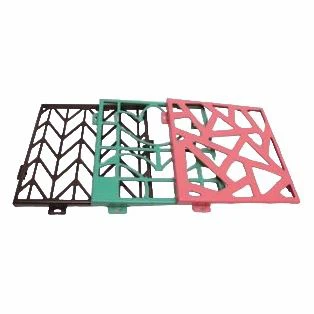
To meet the diverse design needs of our customers, we offer various printing and decoration options for flat aluminum veneer. This includes digital printing, embossing, and engraving.
- Digital Printing: Digital printing allows us to print high-resolution images, patterns, and textures directly onto the surface of the aluminum veneer. This technology offers endless design possibilities, enabling us to create customized solutions for our customers. For example, we can print Stone-patterned Aluminum Plate that mimics the appearance of natural stone, providing a cost-effective alternative to real stone.
- Embossing: Embossing is a process that creates a three-dimensional texture on the surface of the aluminum veneer. This can add depth and visual interest to the material, making it suitable for decorative applications. Embossed patterns can range from simple geometric shapes to intricate designs.
- Engraving: Engraving involves using laser or mechanical tools to etch designs or patterns into the surface of the aluminum veneer. This technique can create highly detailed and precise designs, such as logos, text, or decorative motifs. You can explore our Engraved Aluminum Plates for more inspiration.
Quality Inspection
Before the flat aluminum veneer is packaged and shipped, it undergoes a rigorous quality inspection process. This includes visual inspection, dimensional measurement, and performance testing. Our quality control team checks for any defects, such as scratches, dents, or color variations, and ensures that the product meets the required standards and specifications.

Packaging and Shipping
Once the flat aluminum veneer passes the quality inspection, it is carefully packaged to prevent damage during transportation. The veneer is typically wrapped in protective plastic film and placed in wooden crates or pallets for secure shipping. We work with reliable logistics partners to ensure that the products are delivered to our customers in a timely and efficient manner.
Applications of Flat Aluminum Veneer
Flat aluminum veneer is a versatile building material that can be used in a wide range of applications, including:
- Architectural Facades: Flat aluminum veneer is commonly used to clad the exterior walls of buildings, providing a modern and stylish appearance. It can be used to create various design effects, such as smooth, textured, or patterned surfaces.
- Interior Decoration: In interior design, flat aluminum veneer can be used for wall panels, ceiling tiles, partition walls, and elevator interiors. Its lightweight and easy-to-install nature make it a popular choice for interior applications. For instance, our Elevator Door Frame Protection series offers a practical and aesthetic solution for elevator interiors.
- Signage and Display: The high-quality finish and durability of flat aluminum veneer make it suitable for signage and display applications. It can be used to create eye-catching signs, billboards, and exhibition displays.
Conclusion
In conclusion, the production process of flat aluminum veneer is a complex and meticulous process that involves multiple steps, from raw material selection to final packaging. Each step is crucial to ensure the quality, durability, and aesthetic appeal of the final product. As a leading supplier of flat aluminum veneer, we are committed to providing our customers with high-quality products that meet their specific design and performance requirements.
If you are interested in purchasing flat aluminum veneer for your next project, we invite you to contact us for a detailed quote and to discuss your specific needs. Our team of experts is ready to assist you in finding the perfect solution for your application.
References
- Aluminum Association. (2023). Aluminum: A Material for the Future.
- Society of Manufacturing Engineers. (2022). Manufacturing Processes and Materials.
- ASTM International. (2023). Standards for Aluminum Products.