

Hey there! I'm a supplier of Design Tiny Prefab Homes, and I've been in this game for quite a while. Over the years, I've seen all sorts of materials being used in tiny prefab homes, and I've got some insights to share with you about the best ones.
Let's start with wood. Wood is a classic choice for building, and it's no different when it comes to tiny prefab homes. It's a natural material that's easy to work with, and it gives a warm and cozy feel to the home. There are different types of wood you can use. For example, cedar is a great option because it's naturally resistant to rot and insects. It also has a beautiful grain that adds to the aesthetic appeal of the home. Pine is another popular choice. It's more affordable than cedar and still offers good strength. You can use wood for the frame of the home, the walls, and even the floors. It's a versatile material that can be stained or painted to match your style.
But wood isn't without its drawbacks. It can be affected by moisture, so you need to make sure it's properly treated and protected. If not, it can warp, rot, or attract pests. However, with the right maintenance, wood can last a long time in a tiny prefab home.
Next up is steel. Steel is incredibly strong and durable. It can withstand harsh weather conditions, such as strong winds and heavy snow. This makes it a great choice for areas with extreme climates. Steel frames are also very lightweight compared to traditional wood frames, which can make the transportation and installation of the prefab home much easier.
One of the advantages of using steel is its flexibility in design. You can create unique and modern-looking structures with steel. It also doesn't shrink or expand like wood, so you don't have to worry about gaps or cracks forming over time. However, steel can rust if it's not properly coated. So, you need to make sure it has a good protective finish.
Another material that's gaining popularity in the tiny prefab home industry is concrete. Concrete is extremely strong and can provide excellent insulation. It can keep the home cool in the summer and warm in the winter. You can use precast concrete panels for the walls and floors of the home. These panels are pre - made in a factory, which means they can be quickly assembled on - site.
Concrete also has a long lifespan and requires very little maintenance. It's resistant to fire, pests, and mold. However, it can be heavy, which might pose some challenges during transportation and installation. Also, the initial cost of using concrete can be higher compared to other materials.
Now, let's talk about some composite materials. Composite materials are made by combining different substances to create a material with specific properties. For example, fiber - reinforced polymers (FRPs) are a type of composite material. They are lightweight, strong, and resistant to corrosion. FRPs can be used for various parts of the tiny prefab home, such as the roof or the exterior walls.
These composite materials are also very customizable. You can choose different colors and textures to give your home a unique look. However, they can be more expensive than traditional materials, and not all installers are familiar with working with them.
When it comes to insulation materials, there are several options. Fiberglass insulation is a common choice. It's affordable and easy to install. It works by trapping air in its fibers, which helps to slow down the transfer of heat. Another option is spray - foam insulation. This type of insulation can fill in all the nooks and crannies, providing a more air - tight seal. It also has a higher R - value (a measure of thermal resistance) compared to fiberglass.
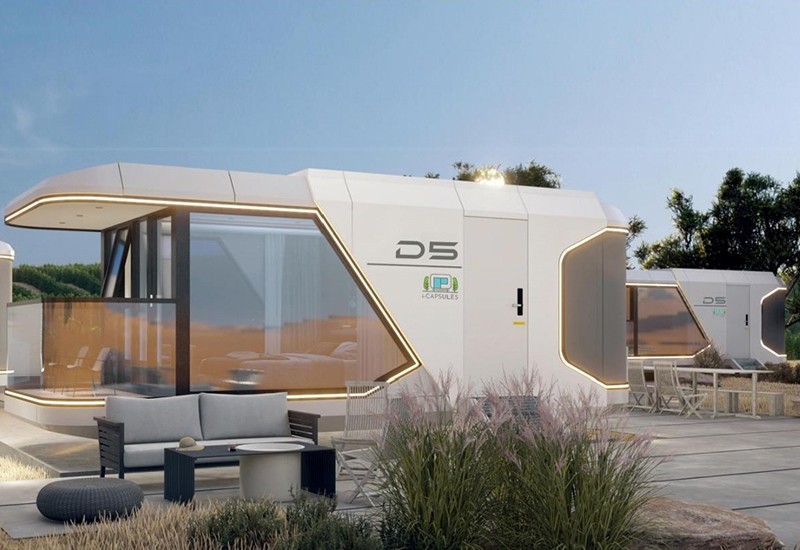
Now, I want to mention some of the products we offer. We have the Prefab Space Capsule House. It's a unique and innovative design that uses a combination of materials to create a comfortable and functional living space. The Capsule House is another great option. It's designed to be compact yet spacious enough to meet your basic living needs. And if you're looking for something more mobile, our Mobile Space Capsule House is the way to go. It's perfect for those who want to have a home on the move.
In conclusion, choosing the best materials for your tiny prefab home depends on your budget, the climate in your area, and your personal style. Each material has its own pros and cons, and it's important to do your research before making a decision. If you're interested in our products or have any questions about the materials we use, don't hesitate to reach out. We're here to help you design and build the perfect tiny prefab home for you. Whether you're a first - time homebuyer or looking for a vacation home, we've got you covered.