

As a seasoned supplier of aluminum veneer, I've been frequently asked by clients whether aluminum veneer fades easily. This is a crucial concern for many, especially when considering long - term investments in building exteriors or interior decorations. In this blog, I'll delve into the factors that influence the fading of aluminum veneer and provide a comprehensive answer to this question.
1. Composition and Coating of Aluminum Veneer
Aluminum veneer is typically made of high - quality aluminum alloy sheets. The base material itself is quite stable. However, the key to its color retention lies in the coating. Most aluminum veneers are coated with a layer of paint or finish that not only enhances its aesthetic appeal but also provides protection against various environmental factors.
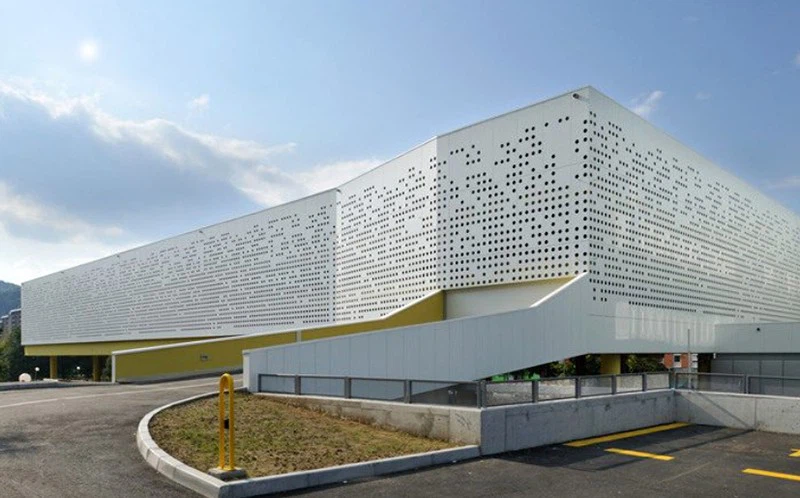

There are different types of coatings available for aluminum veneer, such as polyester, fluorocarbon, and powder coatings. Fluorocarbon coatings, in particular, are known for their excellent weather resistance. They contain fluorine - carbon bonds, which are extremely stable and can withstand harsh sunlight, high humidity, and temperature variations. Polyester coatings are more cost - effective but may not offer the same level of long - term color stability as fluorocarbon coatings.
2. Environmental Factors
Sunlight
Sunlight is one of the primary factors that can cause fading. Ultraviolet (UV) rays in sunlight can break down the chemical bonds in the coating of aluminum veneer over time. When the coating is damaged, the color of the veneer may start to fade. However, if the aluminum veneer is coated with a high - quality UV - resistant coating, it can significantly reduce the impact of sunlight. For example, fluorocarbon - coated aluminum veneers can maintain their color for up to 20 - 30 years under normal sunlight exposure.
Temperature and Humidity
Extreme temperature and humidity changes can also affect the color of aluminum veneer. High humidity can cause the coating to absorb moisture, which may lead to blistering or peeling, eventually resulting in color fading. In areas with large temperature differences between day and night, the expansion and contraction of the aluminum material can put stress on the coating, causing it to crack and fade.
Air Pollution
Pollutants in the air, such as sulfur dioxide, nitrogen oxides, and particulate matter, can react with the coating of aluminum veneer. These chemical reactions can gradually damage the coating and cause the color to fade. In industrial areas or cities with heavy air pollution, the fading process may be accelerated.
3. Quality of Manufacturing
The quality of the manufacturing process also plays a significant role in the color - fading resistance of aluminum veneer. A well - made aluminum veneer should have a uniform coating thickness and good adhesion between the coating and the base material. If the coating is applied unevenly or has poor adhesion, it is more likely to fade or peel off.
At our company, we use advanced manufacturing techniques to ensure the quality of our aluminum veneer. We carefully control the coating process to achieve a consistent and durable finish. Our products are tested rigorously to meet industry standards for color fastness and weather resistance.
4. Comparison of Different Types of Aluminum Veneer
Flat Aluminum Plate
Flat aluminum plates are widely used in modern architecture for their simple and clean appearance. The flat surface allows for a smooth and even coating application, which can enhance the color - retention ability. With a high - quality coating, flat aluminum plates can maintain their color for a long time, even in outdoor applications.
Wood Grain Pattern Aluminum Plate
Wood grain pattern aluminum plates are designed to mimic the look of natural wood. The wood grain effect is created through a special printing or transfer process. The color and pattern of these plates can be quite vivid. However, since the wood grain pattern is on the surface coating, it may be more susceptible to fading if not properly protected. We use advanced printing and coating technologies to ensure that our wood grain pattern aluminum plates have good color stability.
Perforated Aluminum Plate
Perforated aluminum plates are often used for decorative purposes or in applications where ventilation is required. The perforations can increase the surface area exposed to the environment, which may slightly increase the risk of fading. However, with a high - quality coating and proper installation, the color of perforated aluminum plates can still be well - maintained.
5. Maintenance and Care
Proper maintenance can also help prevent the fading of aluminum veneer. Regular cleaning can remove dirt, dust, and pollutants that may accumulate on the surface. Use a mild detergent and a soft cloth to clean the veneer, and avoid using abrasive materials that can scratch the coating.
In addition, if the aluminum veneer is installed in an area with high pollution or harsh environmental conditions, it may be necessary to apply a protective coating periodically to enhance its color - retention ability.
Conclusion
In general, aluminum veneer does not fade easily if it is made with high - quality materials, a suitable coating, and proper manufacturing techniques. Fluorocarbon - coated aluminum veneers, in particular, have excellent color - retention properties and can withstand the test of time and various environmental factors.
However, it's important to note that no material is completely immune to fading. The actual color - fading rate depends on a variety of factors, including the quality of the coating, environmental conditions, and maintenance.
If you are considering using aluminum veneer for your project, we are here to provide you with high - quality products and professional advice. Our aluminum veneer products are designed to meet your specific needs and ensure long - term color stability. Contact us for more information and to start a procurement discussion. We look forward to working with you on your next project.