

Can I park a cheap tiny house anywhere?
As a supplier of Cheap Tiny Houses, I often get asked the question: "Can I park a cheap tiny house anywhere?" It's a valid query, and the answer is more complex than a simple yes or no. In this blog post, I'll delve into the factors that determine where you can park your cheap tiny house and provide some insights to help you make an informed decision.
Zoning Laws and Regulations
One of the primary factors that dictate where you can park a cheap tiny house is zoning laws. Zoning regulations vary from one municipality to another and are designed to control land use, building placement, and the overall character of a community. These laws can have a significant impact on your ability to park a tiny house in a particular area.
In many urban and suburban areas, traditional zoning laws are based on the assumption that housing units are large, permanent structures. As a result, tiny houses may not fit neatly into existing zoning categories. Some areas may have specific regulations for accessory dwelling units (ADUs) or tiny houses, while others may prohibit them altogether.
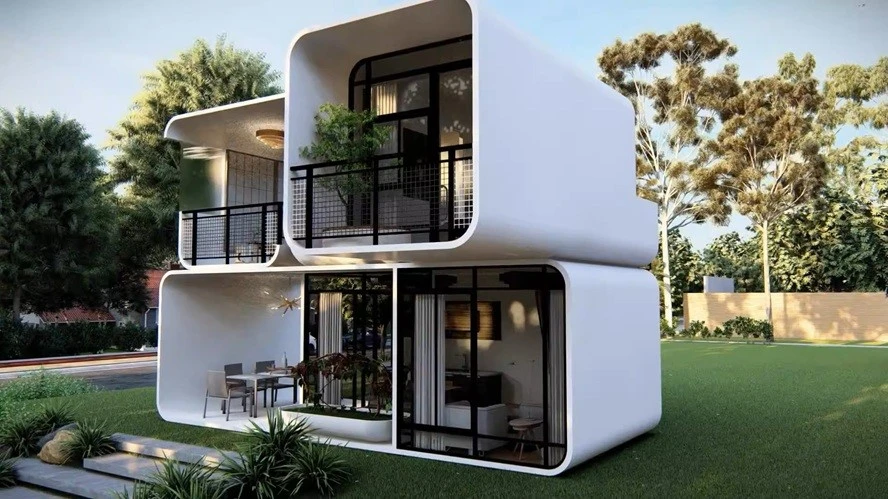
For example, in some cities, you may be allowed to park a tiny house on your own property as an ADU, provided it meets certain size, setback, and design requirements. However, if you want to park a tiny house on a vacant lot or in a commercial area, you may face more restrictive zoning regulations.
To determine the zoning laws in your area, you can contact your local planning department or zoning board. They can provide you with information on the specific regulations that apply to tiny houses and help you understand the process for obtaining the necessary permits.
Landowner Permission
Even if the zoning laws in an area allow for the parking of tiny houses, you will still need to obtain permission from the landowner. If you plan to park your tiny house on someone else's property, you will need to enter into a written agreement with the landowner. This agreement should outline the terms and conditions of your use of the property, including the length of your stay, the rent or fees you will pay, and any other relevant details.
When approaching a landowner, it's important to be clear about your intentions and to provide them with information about your tiny house. You may also want to offer to provide references or insurance to give the landowner peace of mind.
Utilities and Infrastructure
Another important consideration when parking a cheap tiny house is access to utilities and infrastructure. Depending on the location of your tiny house, you may need to connect to water, sewer, electricity, and other essential services.
In some cases, you may be able to connect your tiny house to existing utility lines on the property. However, in other cases, you may need to install your own utilities, such as a septic system or a solar panel array. This can be a significant expense, so it's important to factor these costs into your budget.
In addition to utilities, you will also need to consider the infrastructure in the area. For example, if you plan to park your tiny house in a rural area, you may need to ensure that there is adequate access to roads and transportation. You may also need to consider the availability of emergency services, such as fire and police protection.
Environmental Considerations
When parking a cheap tiny house, it's important to consider the environmental impact of your location. For example, if you plan to park your tiny house near a wetland or other sensitive ecosystem, you may need to obtain special permits or take steps to minimize your impact on the environment.
In addition, you should also consider the potential for natural disasters, such as floods, earthquakes, or wildfires. If you plan to park your tiny house in an area that is prone to these types of disasters, you may need to take additional precautions to protect your property and ensure your safety.
Options for Parking a Cheap Tiny House
While there are many factors that can limit where you can park a cheap tiny house, there are also several options available. Here are some of the most common options:
- On Your Own Property: If you own a piece of land, you may be able to park your tiny house on your property as an ADU. This can be a convenient and cost-effective option, as you will have more control over the location and use of your tiny house.
- In a Tiny House Community: There are many tiny house communities across the country that offer a supportive and affordable living environment for tiny house owners. These communities typically have shared amenities, such as a community center, laundry facilities, and a playground.
- On a Farm or Ranch: If you are interested in a more rural lifestyle, you may be able to park your tiny house on a farm or ranch. This can be a great option if you are interested in growing your own food or raising animals.
- In a Mobile Home Park: Some mobile home parks allow for the parking of tiny houses. This can be a convenient option if you are looking for a place to park your tiny house on a short-term basis.
Conclusion
In conclusion, while you cannot park a cheap tiny house anywhere, there are many options available for parking your tiny house. By understanding the zoning laws, obtaining landowner permission, considering the utilities and infrastructure, and taking environmental factors into account, you can find a suitable location for your tiny house.
If you are interested in purchasing a cheap tiny house, I encourage you to explore our Prefab Space Capsule House, Capsule House, and Modular Capsule House options. Our tiny houses are designed to be affordable, energy-efficient, and easy to transport.
If you have any questions or would like to discuss your options further, please don't hesitate to contact us. We would be happy to help you find the perfect tiny house for your needs.