

Can a camp capsule space be used in areas with high humidity?
This is a crucial concern as high humidity can pose challenges to many structures and equipment. In this blog, I will delve into this topic and provide a comprehensive answer based on scientific knowledge and our practical experience.
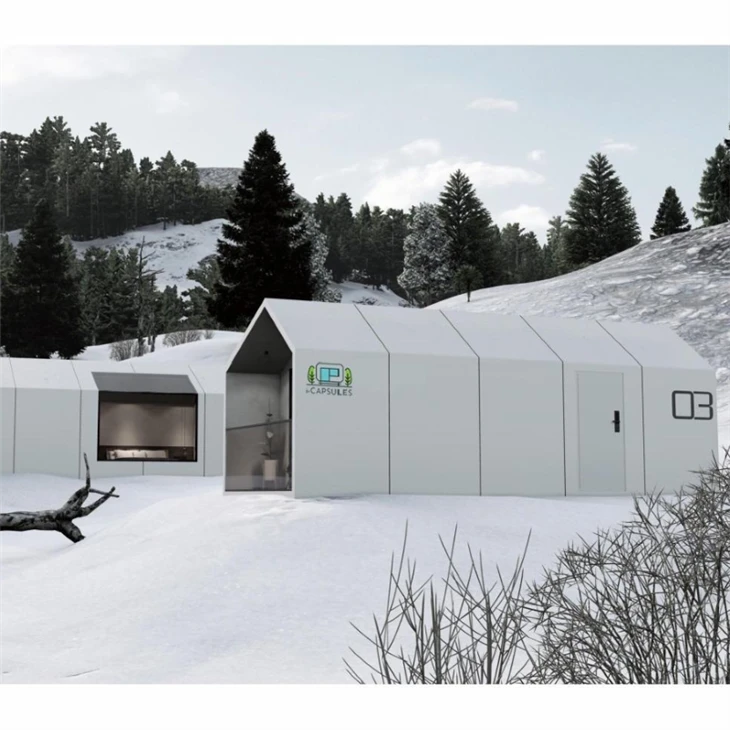

Understanding High - Humidity Environments
High humidity areas are characterized by a large amount of water vapor in the air. This can lead to several issues, such as mold growth, corrosion of metal parts, and damage to wooden components. The relative humidity in these areas often exceeds 70%, and in some extreme cases, it can approach 100%. The constant presence of moisture in the air can accelerate the deterioration of materials, reduce the lifespan of structures, and even cause health problems for the occupants.
Features of Camp Capsule Spaces
Our camp capsule spaces are designed with several features to ensure their durability and functionality in different environments, including high - humidity areas.
Material Selection
We use high - quality and moisture - resistant materials in the construction of our camp capsule spaces. For the exterior, we often choose fiberglass or Aluminum alloy. Fiberglass is highly resistant to corrosion and moisture. It does not absorb water like wood, so it is less likely to rot or develop mold. Aluminum alloy is also a great choice as it has a natural oxide layer that protects it from rusting. Capsule Cabin is an example of our product that utilizes such materials.
Insulation and Ventilation
Proper insulation is essential to prevent condensation inside the camp capsule space. We install high - performance insulation materials that not only keep the interior temperature stable but also reduce the likelihood of moisture buildup. Additionally, ventilation systems are carefully designed. Natural ventilation is enhanced through strategically placed windows and vents, while mechanical ventilation options can also be added. These ventilation systems help to remove humid air from the interior and bring in fresh, drier air.
Sealing Technology
To further protect the interior of the camp capsule space from moisture, we employ advanced sealing technology. The joints between different components are sealed tightly to prevent water from seeping in. This includes the seals around windows, doors, and other openings. Our Prefab Modular Rooms are designed with this high - level sealing in mind, ensuring a watertight and weather - resistant structure.
Addressing Potential Issues in High - Humidity Areas
Despite the robust design of our camp capsule spaces, some potential issues in high - humidity areas still need to be addressed.
Mold Prevention
Mold can grow quickly in high - humidity environments, especially if there are damp and dark areas. To prevent mold growth, we recommend regular cleaning and disinfection of the interior. Keep the surfaces dry, and use mold - resistant paint on the walls. Additionally, maintaining good ventilation at all times can significantly reduce the risk of mold development.
Corrosion Management
Although the materials we use are resistant to corrosion, long - term exposure to high humidity may still cause some minor corrosion, especially on metal fasteners and fixtures. Regular inspections and applying anti - corrosion coatings can help to extend the lifespan of these components.
Electrical System Protection
The electrical system in the camp capsule space needs to be protected from moisture. We use waterproof electrical boxes and connectors, and the wiring is carefully insulated. However, it is still important to have a professional electrician conduct regular inspections in high - humidity areas to ensure the safety of the electrical system.
Case Studies
We have had several customers in high - humidity areas who have purchased our camp capsule spaces. For example, a resort in a coastal area with high humidity purchased our Prefab Modular Rooms. After a year of use, they reported that the structures were in excellent condition. The clients credited the proper ventilation design and moisture - resistant materials for the good performance. The interior remained dry, and there was no sign of mold or significant corrosion.
Another customer in a tropical rainforest area installed our Capsule Cabin. They used it as a research base. Despite the extremely humid environment, the cabin withstood the test of time. The advanced sealing technology prevented water from entering, and the insulation kept the interior temperature comfortable.
Conclusion
In conclusion, our camp capsule spaces can be effectively used in areas with high humidity. Through careful material selection, insulation, ventilation, and sealing design, we have managed to create structures that are durable and functional in such challenging environments. However, proper maintenance and management are still required to ensure the long - term performance of the camp capsule spaces.
If you are considering purchasing camp capsule spaces for high - humidity areas or any other regions, we are more than willing to provide you with detailed information and customized solutions. Contact us to start a procurement discussion and find the perfect camp capsule space for your needs.
References
- Building Science Corporation. (2020). Moisture Control in Buildings. Wiley.
- ASTM International. (2019). Standards for Moisture - Resistant Building Materials. ASTM.