

As a seasoned flat aluminum veneer supplier, I often receive inquiries from clients about the installation requirements for flat aluminum veneer in high - rise buildings. This topic is not only crucial for the proper installation and long - term performance of the product but also for ensuring the safety and aesthetic appeal of high - rise structures. In this blog, I will delve into the key installation requirements that one must consider when using flat aluminum veneer in high - rise buildings.
Structural Compatibility
The first and foremost requirement is ensuring that the high - rise building's structure can support the flat aluminum veneer. High - rise buildings are subject to various forces such as wind, seismic activity, and gravity. The flat aluminum veneer system should be designed in a way that it can be safely attached to the building's frame.
Engineers need to conduct a detailed structural analysis to determine the load - bearing capacity of the building. The weight of the flat aluminum veneer, including any additional components like brackets and fasteners, must be factored into the calculations. For instance, if the building has a lightweight steel frame, a thinner and lighter flat aluminum veneer may be more suitable to avoid overloading the structure.
Weather Resistance
High - rise buildings are exposed to a wide range of weather conditions, from strong winds to heavy rainfall and extreme temperatures. Flat aluminum veneer must be able to withstand these elements without significant damage.
The aluminum used in the veneer should have a high - quality protective coating. A powder - coated finish is a popular choice as it provides excellent resistance to UV rays, corrosion, and fading. This coating not only enhances the durability of the veneer but also maintains its aesthetic appearance over time.
In areas with high humidity or frequent rainfall, proper drainage systems need to be incorporated into the installation. Gaps between the aluminum veneer panels should be designed to allow water to drain away effectively, preventing water from pooling and causing damage to the panels or the building structure.
Fire Safety
Fire safety is a major concern in high - rise buildings. Flat aluminum veneer should meet strict fire - resistance standards. The material should be non - combustible or have a low flammability rating.
Some flat aluminum veneers are designed with fire - retardant cores or coatings. These features can help to slow down the spread of fire in case of an emergency, providing valuable time for evacuation and firefighting efforts. Building codes and regulations often specify the minimum fire - resistance requirements for exterior cladding materials, and it is essential to ensure that the chosen flat aluminum veneer complies with these standards.

Installation Techniques
Proper installation techniques are vital for the successful use of flat aluminum veneer in high - rise buildings. The installation process should be carried out by trained and experienced professionals.
First, the building surface must be properly prepared. It should be clean, level, and free of any debris or irregularities. This ensures a smooth and secure attachment of the aluminum veneer panels.
The panels are typically attached to the building using a combination of brackets and fasteners. The brackets should be made of high - strength materials that can withstand the forces acting on the veneer. The fasteners, such as screws or rivets, should be tightened to the appropriate torque to prevent loosening over time.
Alignment is also crucial during installation. The panels should be installed in a straight and uniform manner to achieve a seamless and aesthetically pleasing appearance. Any misalignment can not only affect the visual appeal but also compromise the structural integrity of the veneer system.
Compatibility with Other Building Systems
Flat aluminum veneer does not exist in isolation. It needs to be compatible with other building systems such as insulation, waterproofing, and ventilation.
Insulation is important for energy efficiency in high - rise buildings. The flat aluminum veneer should be installed in a way that does not interfere with the insulation system. For example, there should be proper air gaps or insulation layers between the veneer and the building wall to prevent heat transfer.
Waterproofing is another critical aspect. The flat aluminum veneer should work in conjunction with the building's waterproofing membrane to prevent water infiltration. This may involve using sealants and gaskets at the joints between the panels and around any penetrations.
Ventilation is necessary to prevent the buildup of moisture and condensation behind the veneer. Adequate ventilation channels should be designed to allow air to circulate, which helps to maintain the health of the building envelope.
Aesthetic Considerations
In addition to the technical requirements, aesthetic considerations also play an important role in the installation of flat aluminum veneer in high - rise buildings. The appearance of the building's exterior can significantly impact its overall value and appeal.
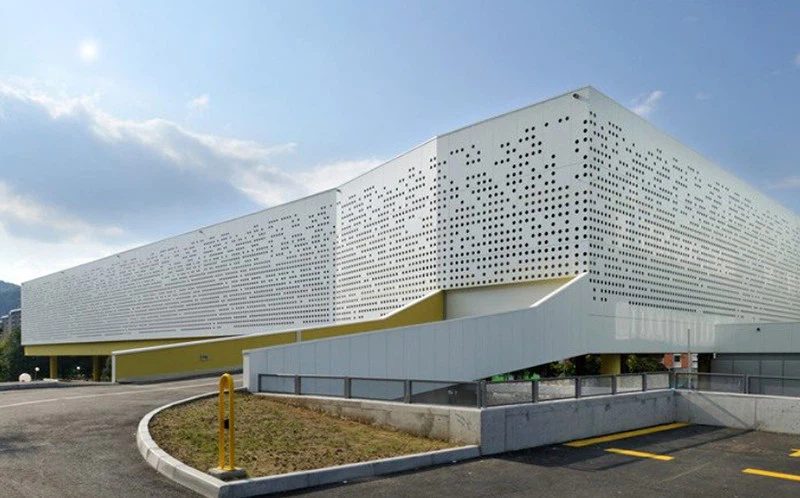
There are various types of flat aluminum veneer available, such as Brushed Aluminum Plate, Perforated Aluminum Plate, and Aluminum Wall Plate. Each type has its own unique look and texture, allowing architects and designers to create a customized and visually striking facade.
The color and finish of the aluminum veneer should be carefully selected to complement the building's design and surrounding environment. For example, a modern high - rise building in an urban setting may benefit from a sleek, metallic finish, while a more traditional building may require a warmer, brushed finish.
Maintenance Requirements
Once the flat aluminum veneer is installed in a high - rise building, proper maintenance is essential to ensure its long - term performance. Regular cleaning is necessary to remove dirt, dust, and pollutants that can accumulate on the surface of the veneer.
Inspections should be carried out periodically to check for any signs of damage, such as cracks, dents, or loose fasteners. Any issues should be addressed promptly to prevent further damage and maintain the integrity of the veneer system.
In conclusion, there are several important installation requirements for flat aluminum veneer in high - rise buildings. From structural compatibility and weather resistance to fire safety and aesthetic considerations, every aspect needs to be carefully considered. As a flat aluminum veneer supplier, I am committed to providing high - quality products and technical support to ensure that our clients can achieve successful installations in high - rise buildings.
If you are interested in purchasing flat aluminum veneer for your high - rise building project, please feel free to contact us for more information and to discuss your specific requirements. We look forward to working with you to create a beautiful and functional building facade.