

Hey there! As an aluminum veneer supplier, I often get asked about the paint coating quality of aluminum veneer. It's a crucial aspect that can significantly impact the appearance, durability, and performance of the product. So, let's dive right in and explore what makes a good paint coating for aluminum veneer.
Why Paint Coating Matters
First off, why do we even need a paint coating on aluminum veneer? Well, aluminum is a great material on its own. It's lightweight, strong, and corrosion - resistant to a certain degree. But a high - quality paint coating takes those benefits to the next level.
The paint coating acts as an extra layer of protection. It shields the aluminum from environmental factors like UV rays, moisture, and pollutants. Without a proper coating, the aluminum can start to oxidize, which leads to discoloration and a decrease in its structural integrity over time.
In terms of aesthetics, the paint coating allows for a wide range of colors and finishes. Whether you're going for a sleek, modern look or a more rustic feel, the right paint can transform the appearance of the aluminum veneer to match your design vision.
Factors Affecting Paint Coating Quality
1. Type of Paint
There are several types of paints used for aluminum veneer, and each has its own pros and cons.
- Polyester (PE) Paint: This is a commonly used paint for aluminum veneer. It's relatively affordable and offers decent protection against the elements. PE paint provides a smooth finish and comes in a variety of colors. However, it may not be as durable as some other types of paints, especially in harsh environments.
- Fluorocarbon (PVDF) Paint: PVDF paint is considered the gold standard when it comes to paint coating for aluminum veneer. It has excellent weather resistance, UV resistance, and color retention. PVDF - coated aluminum veneer can maintain its color and finish for decades, even in extreme weather conditions. It's more expensive than PE paint, but the long - term benefits make it a popular choice for high - end projects.
2. Application Process
The way the paint is applied to the aluminum veneer is just as important as the type of paint itself.
- Pre - treatment: Before painting, the aluminum surface needs to be properly pre - treated. This usually involves cleaning, degreasing, and applying a primer. A good pre - treatment ensures that the paint adheres well to the aluminum and provides better protection.
- Spraying or Coating Method: There are different methods of applying paint, such as spray painting and roller coating. Spray painting can provide a more even and smooth finish, but it requires a high - level of skill and proper equipment. Roller coating is a more cost - effective option for some applications, but it may not be as suitable for complex shapes.
3. Thickness of the Coating
The thickness of the paint coating also affects its quality. A thicker coating generally provides better protection, but there's a balance to be struck. If the coating is too thick, it can lead to issues like cracking or peeling. On the other hand, a thin coating may not offer adequate protection.

For PVDF paint, a typical coating thickness ranges from 25 to 40 microns. For PE paint, the thickness is usually around 18 to 25 microns.
Assessing Paint Coating Quality
So, how can you tell if the paint coating on an aluminum veneer is of good quality? Here are some things to look for:
1. Visual Inspection
- Color Consistency: The color of the paint should be consistent across the entire surface of the aluminum veneer. There should be no visible streaks, splotches, or color variations.
- Smooth Finish: Run your hand over the surface of the veneer. It should feel smooth and free of bumps or rough patches. A rough finish could indicate poor application or low - quality paint.
2. Adhesion Test
You can perform a simple adhesion test by making a cross - hatch pattern on the painted surface with a sharp blade and then applying a piece of tape over the pattern. When you peel off the tape, there should be minimal or no paint removal. If a large amount of paint comes off, it means the paint is not adhering well to the aluminum.
3. Weather Resistance Test
If possible, look for samples of the aluminum veneer that have been exposed to real - world weather conditions. Check for signs of fading, chalking, or cracking. A high - quality paint coating should show little to no signs of damage after years of exposure.
Our Offerings
At our company, we take paint coating quality very seriously. We use only the best - quality paints, whether it's PE paint for more budget - friendly projects or PVDF paint for high - end applications. Our pre - treatment process is state - of the - art, ensuring excellent adhesion of the paint to the aluminum.
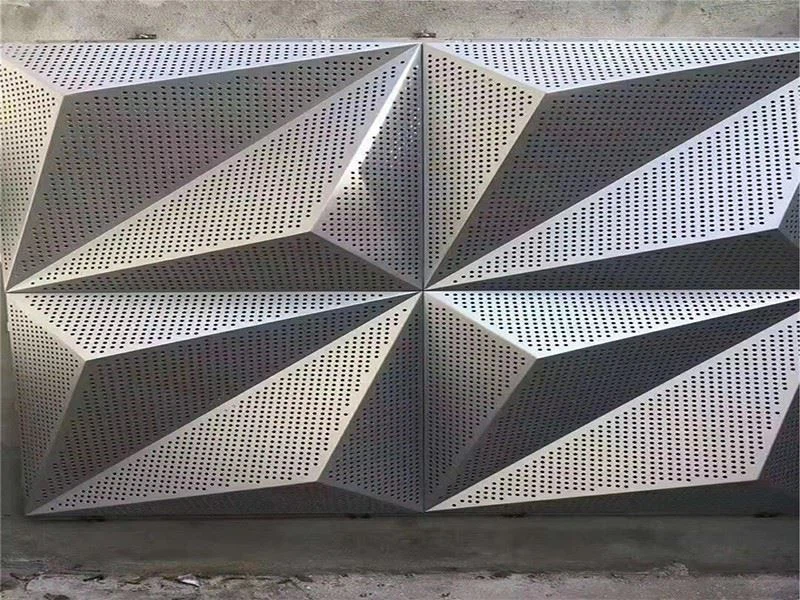
We offer a wide range of aluminum veneer products, including Perforated Aluminum Plate, Engraved Aluminum Plates, and Brushed Aluminum Plate. Each of these products can be customized with the paint coating of your choice to meet your specific design and performance requirements.
Contact Us for Procurement
If you're in the market for high - quality aluminum veneer with top - notch paint coating, we'd love to hear from you. Whether you're an architect, a contractor, or a designer, we can work with you to find the perfect solution for your project. Just reach out to us for more information and to start the procurement process. We're here to help you make your project a success!
References
- "Aluminum Veneer: A Comprehensive Guide", Metal Building Materials Association
- "Paint Coatings for Aluminum: Performance and Selection", Journal of Coating Technology and Research