

As a leading supplier of flat aluminum veneer, I am often asked about the corrosion resistance of our products. In this blog post, I will delve into the details of what corrosion resistance means for flat aluminum veneer, how it is achieved, and why it is crucial for various applications.
Understanding Corrosion
Corrosion is a natural process that occurs when metals react with their environment, typically oxygen and moisture. This reaction leads to the deterioration of the metal's surface, which can compromise its structural integrity and appearance. For flat aluminum veneer, corrosion can manifest as discoloration, pitting, or even structural failure over time if not properly addressed.
Corrosion Resistance Mechanisms in Flat Aluminum Veneer
Aluminum has a natural oxide layer that forms on its surface when exposed to air. This thin layer of aluminum oxide acts as a protective barrier, preventing further oxidation and corrosion. However, this natural oxide layer can be relatively thin and may not provide sufficient protection in harsh environments.
To enhance the corrosion resistance of flat aluminum veneer, we employ several advanced techniques:
Anodizing
Anodizing is an electrochemical process that thickens the natural oxide layer on the aluminum surface. By immersing the aluminum veneer in an electrolyte solution and applying an electric current, we can create a controlled oxide layer that is much thicker and more durable than the natural one. This anodized layer provides excellent corrosion resistance, as well as improved abrasion resistance and a more uniform appearance.
Powder Coating
Powder coating is another popular method for enhancing the corrosion resistance of flat aluminum veneer. In this process, a dry powder is electrostatically applied to the aluminum surface and then cured in an oven. The powder melts and fuses to form a continuous, protective coating that adheres tightly to the aluminum. Powder coating not only provides excellent corrosion resistance but also offers a wide range of colors and finishes, allowing for greater design flexibility.
Chemical Treatment
In addition to anodizing and powder coating, we also use chemical treatments to further improve the corrosion resistance of our flat aluminum veneer. These treatments can include the application of corrosion inhibitors or the use of special surface treatments that enhance the adhesion of the protective coatings.
Factors Affecting Corrosion Resistance
While anodizing, powder coating, and chemical treatments can significantly improve the corrosion resistance of flat aluminum veneer, several factors can still affect its performance in real-world applications. These factors include:
Environmental Conditions
The environment in which the flat aluminum veneer is installed plays a crucial role in its corrosion resistance. For example, in coastal areas with high levels of salt in the air, the aluminum veneer may be more susceptible to corrosion. Similarly, in industrial areas with high levels of pollution or chemicals, the veneer may also face increased corrosion risks.
Exposure to Moisture
Moisture is one of the primary factors that can cause corrosion in aluminum. If the flat aluminum veneer is exposed to water or high humidity for extended periods, the protective coatings may break down, allowing the aluminum to come into contact with oxygen and moisture and corrode.
Mechanical Damage
Mechanical damage, such as scratches or dents, can also compromise the corrosion resistance of flat aluminum veneer. When the protective coatings are damaged, the underlying aluminum is exposed to the environment, increasing the risk of corrosion.
Applications of Corrosion-Resistant Flat Aluminum Veneer
Due to its excellent corrosion resistance, flat aluminum veneer is widely used in a variety of applications, including:
Building Facades
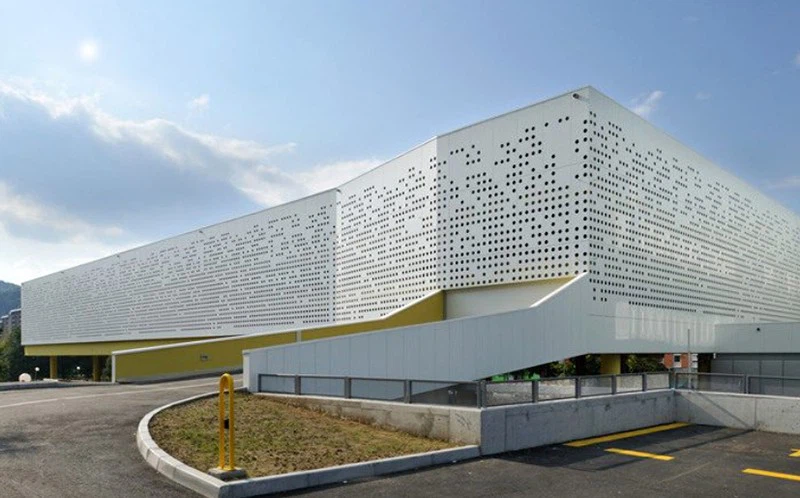
Flat aluminum veneer is a popular choice for building facades due to its durability, lightweight, and aesthetic appeal. The corrosion resistance of the veneer ensures that the building's exterior remains in good condition for many years, even in harsh environmental conditions.
Interior Decoration
In interior decoration, flat aluminum veneer can be used for wall cladding, ceiling panels, and other decorative elements. Its corrosion resistance makes it suitable for use in areas with high humidity, such as bathrooms and kitchens.
Signage and Advertising
Flat aluminum veneer is also commonly used for signage and advertising due to its ability to withstand the elements. The corrosion-resistant coatings ensure that the signs and advertisements remain clear and visible for an extended period.

Comparison with Other Materials
When compared to other materials commonly used in similar applications, such as steel and wood, flat aluminum veneer offers several advantages in terms of corrosion resistance:
Steel
Steel is a strong and durable material, but it is highly susceptible to corrosion. Without proper protection, steel can rust quickly, especially in humid or coastal environments. In contrast, flat aluminum veneer has excellent corrosion resistance, even without additional coatings in some cases.
Wood
Wood is a natural and aesthetically pleasing material, but it is also prone to rot and decay when exposed to moisture. Flat aluminum veneer, on the other hand, is resistant to moisture and does not require regular maintenance to prevent decay.
Our Product Range
As a flat aluminum veneer supplier, we offer a wide range of products with different levels of corrosion resistance to meet the needs of various applications. In addition to our standard flat aluminum veneer, we also provide Engraved Aluminum Plates, Perforated Aluminum Plate, and Stone-patterned Aluminum Plate. These products are available in a variety of colors, finishes, and thicknesses, allowing you to choose the perfect solution for your project.
Contact Us for Purchase and Negotiation
If you are interested in our flat aluminum veneer products or have any questions about their corrosion resistance, please do not hesitate to contact us. Our team of experts is ready to provide you with detailed information and assist you in selecting the right product for your needs. We look forward to working with you on your next project.
References
- ASM International. (2000). Corrosion Basics: An Introduction. ASM International.
- Aluminum Association. (2023). Aluminum Design Manual. Aluminum Association.
- ISO 12944-1:2017. Paints and varnishes — Corrosion protection of steel structures by protective paint systems — Part 1: General introduction. International Organization for Standardization.