

Hey there! I'm part of a Design Tiny Prefab Homes supplier, and today I'm stoked to share with you how to design a tiny prefab home with a game room. It's an exciting project that combines the convenience of prefab construction with the fun of having your own dedicated gaming space.
Understanding the Basics of Tiny Prefab Homes
First things first, let's talk a bit about tiny prefab homes. These are homes that are built in a factory and then transported to the site. They're a great option for those who want a quick and cost - effective housing solution. The modular nature of prefab homes means you can customize them to fit your needs, and they're often more environmentally friendly compared to traditional builds.
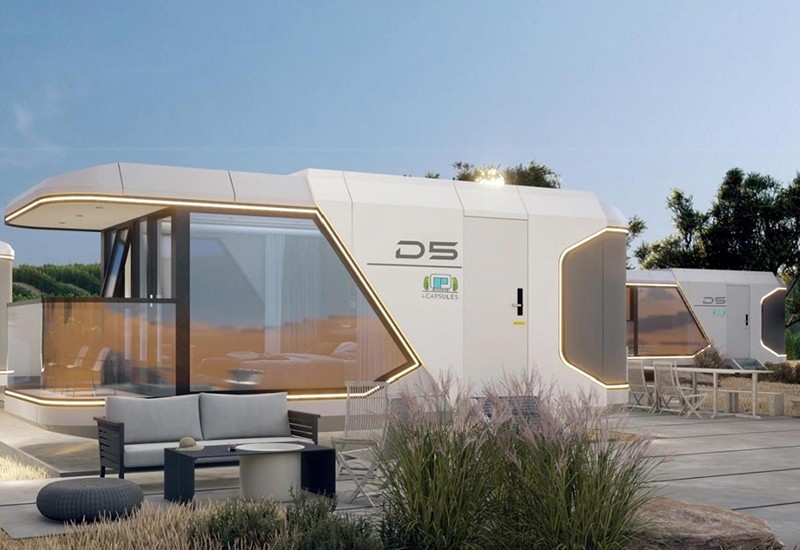
When it comes to tiny prefab homes, we have some really cool options like the Modular Capsule House. It's a super stylish and affordable choice that can be a great base for our game - room - equipped home. And if you're looking for something a bit more unique, the Prefab Space Capsule House offers a modern and innovative design. There's also the Mobile Space Capsule House for those who want the flexibility to move their home around.
Planning Your Tiny Prefab Home
The first step in designing your tiny prefab home with a game room is planning. You need to figure out the size and layout of your home. Since it's a tiny home, space is at a premium. So, you have to be really smart about how you use it.
Think about the functions you want in your home. Besides the game room, you'll probably need a sleeping area, a kitchen, and a bathroom. You can use a floor plan software or even just draw it out on paper. Start by sketching the overall shape of your home and then divide it into different areas.
For the game room, decide what kind of games you want to play. If you're into board games, you'll need a table and some storage for your game collection. If you're a video gamer, you'll need space for a TV, a gaming console, and maybe some comfortable seating.
Designing the Game Room
Now, let's focus on the game room itself. One of the key things is lighting. You want a well - lit space, but you also want to be able to create a cozy atmosphere for late - night gaming sessions. You can use a combination of overhead lights and task lights. For example, you could have a pendant light over the gaming table and some wall sconces for mood lighting.
Sound is another important factor. If you're playing loud games or have a surround - sound system, you don't want the noise to disturb the rest of the house. You can use sound - absorbing materials like acoustic panels on the walls to reduce the sound leakage.
In terms of furniture, choose pieces that are both functional and space - saving. A fold - out couch can double as a seating area for gaming and a bed for guests. You can also use built - in cabinets for storing games and equipment.
Choosing the Right Materials
When it comes to building your tiny prefab home, choosing the right materials is crucial. For the exterior, you want materials that are durable and weather - resistant. Fiberglass and steel are popular choices for prefab homes because they're strong and low - maintenance.
For the interior, you can use a variety of materials depending on your style. Wood gives a warm and natural look, while laminate flooring is a more affordable and easy - to - clean option. In the game room, you might want to use a soft carpet to make it more comfortable for sitting on the floor during gaming sessions.
Incorporating Smart Technology
In today's world, smart technology can really enhance your gaming experience. You can install a smart thermostat in the game room to keep it at the perfect temperature. Smart lighting systems allow you to control the brightness and color of the lights with your phone.
You can also integrate a smart home hub that can connect all your gaming devices and other smart appliances in the house. This way, you can easily manage everything from one place.
Cost Considerations
Designing and building a tiny prefab home with a game room doesn't have to break the bank. Prefab homes are generally more cost - effective than traditional homes because they're built in a factory, which reduces labor costs and waste.
However, you still need to budget for things like the cost of the prefab unit, the installation, and the interior finishes. You can save money by choosing more affordable materials and doing some of the finishing work yourself, like painting and installing the flooring.
Safety and Regulations
Before you start building your tiny prefab home, make sure you're aware of all the safety and building regulations in your area. Different regions have different rules regarding the size, location, and construction of prefab homes. You'll need to get the necessary permits and inspections to ensure your home is safe and up to code.

Putting It All Together
Once you've planned everything, chosen your materials, and taken care of the regulations, it's time to put your tiny prefab home with a game room together. The prefab unit will be delivered to your site, and then the installation process will begin.
After the basic structure is in place, you can start working on the interior finishes. Install the furniture in the game room, set up your gaming equipment, and add some personal touches like posters and wall art.
Conclusion
Designing a tiny prefab home with a game room is a really rewarding project. It allows you to have your own unique living space that combines comfort and fun. Whether you're a casual gamer or a serious enthusiast, having a dedicated game room in your home can take your gaming experience to the next level.
If you're interested in learning more about our Design Tiny Prefab Homes or want to start planning your own game - room - equipped home, don't hesitate to reach out to us. We're here to help you every step of the way, from the initial design to the final installation.
References
- "Tiny House Living: Simple Ways to Live Big in a Small Space" by Dee Williams
- "Prefab Architecture: A Guide to Building in the Modern Age" by Tom Kundig