

Does flat aluminum veneer release harmful substances?
As a supplier of flat aluminum veneer, I often encounter questions from customers regarding the safety of our products, particularly whether flat aluminum veneer releases harmful substances. This is a crucial concern, especially in applications where human health and environmental protection are top priorities. In this blog, I'll delve into the scientific aspects of flat aluminum veneer and address this common query.
Understanding Flat Aluminum Veneer
Flat aluminum veneer is a popular building material known for its durability, versatility, and aesthetic appeal. It is widely used in architectural facades, interior decoration, and various industrial applications. The manufacturing process of flat aluminum veneer involves several steps, including alloying, rolling, and surface treatment. These processes are carefully controlled to ensure the quality and performance of the final product.
The Composition of Flat Aluminum Veneer
Aluminum is the primary component of flat aluminum veneer, typically accounting for over 90% of its composition. Aluminum is a non - toxic and environmentally friendly metal. It has been used in a wide range of applications, from food packaging to aerospace, due to its excellent corrosion resistance and low density.
In addition to aluminum, small amounts of other elements may be added to form aluminum alloys. These alloying elements, such as magnesium, manganese, and silicon, are used to enhance the mechanical properties of the aluminum veneer, such as strength and hardness. These elements are generally considered safe and do not pose a significant risk to human health when used in appropriate concentrations.
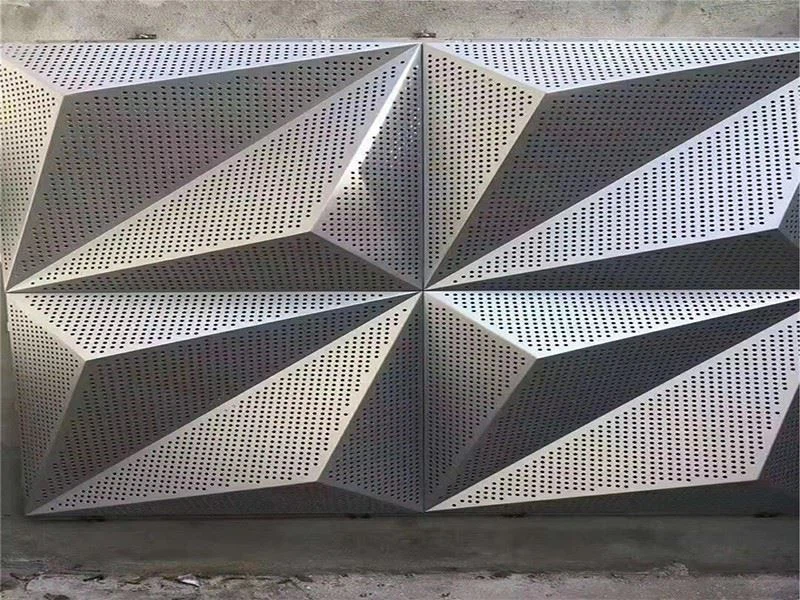

Surface Treatment and Its Impact
One of the key factors that may raise concerns about harmful substances is the surface treatment of flat aluminum veneer. There are several common surface treatment methods, including anodizing, powder coating, and fluorocarbon coating.
Anodizing is an electrochemical process that forms a protective oxide layer on the surface of the aluminum veneer. This oxide layer is stable and inert, and it does not release any harmful substances. Anodized aluminum veneer is known for its excellent corrosion resistance and wear resistance, making it a popular choice for outdoor applications.
Powder coating involves applying a dry powder to the surface of the aluminum veneer and then curing it under heat. The powder coating materials are carefully formulated to meet strict environmental and safety standards. Most modern powder coatings are free of volatile organic compounds (VOCs), which are harmful to human health and the environment. They are also resistant to fading, chipping, and peeling, providing long - lasting protection for the aluminum veneer.
Fluorocarbon coating is another high - performance surface treatment option. Fluorocarbon coatings are known for their excellent weather resistance, chemical resistance, and color retention. They are widely used in high - end architectural projects. Similar to powder coatings, modern fluorocarbon coatings are designed to be low in VOCs and do not release harmful substances during normal use.
Scientific Studies and Certifications
Numerous scientific studies have been conducted to assess the safety of aluminum and its alloys. These studies have shown that aluminum is generally safe for human contact and use. In addition, flat aluminum veneer products that meet international standards and certifications, such as ISO 9001 for quality management and ISO 14001 for environmental management, have undergone rigorous testing to ensure their safety and compliance with relevant regulations.
For example, the products are tested for heavy metal content, such as lead, mercury, cadmium, and chromium. The levels of these heavy metals are strictly controlled to ensure they are within the allowable limits set by environmental and health regulations.
Comparing with Other Building Materials
When compared with other building materials, flat aluminum veneer has several advantages in terms of safety. For instance, some traditional building materials, such as certain types of wood, may release formaldehyde, a known carcinogen, especially in poorly ventilated environments. Paints and coatings used on other materials may also contain high levels of VOCs, which can cause indoor air pollution and health problems.
In contrast, flat aluminum veneer, especially when properly surface - treated, has a low risk of releasing harmful substances. It is a sustainable and safe choice for building and decoration projects.
Applications and Safety Assurance
Flat aluminum veneer is used in a wide range of applications, from commercial buildings to residential homes. In applications such as Brushed Aluminum Plate, the brushed surface not only adds an aesthetic touch but also maintains the safety of the material. The same goes for Perforated Aluminum Plate, which is often used in decorative and functional applications.
In the case of Elevator Door Frame Protection, the flat aluminum veneer provides a durable and safe solution. It protects the elevator door frames from damage while ensuring that no harmful substances are released in the confined elevator environment.
Conclusion
In conclusion, flat aluminum veneer is a safe and reliable building material. The primary component, aluminum, is non - toxic, and the alloying elements and surface treatment methods used in its production are carefully selected and controlled to ensure the safety of the product. Scientific studies and certifications support the fact that flat aluminum veneer does not release harmful substances during normal use.
If you are considering using flat aluminum veneer for your next project, you can have peace of mind knowing that it is a safe and environmentally friendly choice. Whether you need it for architectural facades, interior decoration, or industrial applications, our flat aluminum veneer products meet the highest standards of quality and safety.
We are always ready to provide you with detailed product information and technical support. If you are interested in purchasing flat aluminum veneer or have any questions about our products, please feel free to contact us for procurement and negotiation. We look forward to working with you on your next project.
References
- ASTM International. (20XX). Standards related to aluminum alloys and their testing.
- ISO. (20XX). ISO 9001: Quality management systems - Requirements.
- ISO. (20XX). ISO 14001: Environmental management systems - Requirements with guidance for use.