

Wildlife-rich areas present a unique blend of natural beauty and ecological complexity. As a provider of camp capsule spaces, I often encounter the question: Can a camp capsule space be used in areas with a lot of wildlife? In this blog, I'll delve into this topic, exploring the feasibility, benefits, challenges, and considerations when using camp capsule spaces in such environments.
Feasibility of Using Camp Capsule Spaces in Wildlife-Rich Areas
The answer to whether camp capsule spaces can be used in wildlife-rich areas is a resounding yes. Camp capsule spaces are designed to be versatile and adaptable, making them suitable for a wide range of environments, including those teeming with wildlife. These spaces are typically self - contained units that can be easily transported and installed, which is a significant advantage when dealing with remote or hard - to - access wildlife areas.
Our High Quality Space Capsule House is a prime example of a product that can thrive in these settings. It is constructed with high - quality materials that can withstand various weather conditions and potential interactions with wildlife. The sturdy structure provides a safe and secure shelter for occupants while minimizing the impact on the surrounding ecosystem.
Benefits of Using Camp Capsule Spaces in Wildlife - Rich Areas
1. Minimized Environmental Impact
One of the key benefits of camp capsule spaces is their relatively low environmental impact. Unlike traditional buildings, which may require extensive land clearing and infrastructure development, camp capsules can be installed with minimal disruption to the natural habitat. They take up less space and can be easily removed if necessary, leaving the area in its original state.
2. Enhanced Wildlife Viewing Experience
Camp capsule spaces offer an excellent vantage point for wildlife observation. With their large windows and strategic placement, occupants can enjoy unobstructed views of the surrounding wildlife without disturbing their natural behavior. This allows for a more immersive and educational experience, whether it's watching birds, deer, or other native species in their natural environment.
3. Safety and Comfort
In wildlife - rich areas, safety is a major concern. Camp capsule spaces provide a secure shelter from potential wildlife encounters. They are designed to keep out unwanted animals while providing a comfortable living environment for the occupants. Our Movable Outdoor Apple Capsule Cabin is equipped with features such as secure locks and durable walls to ensure the safety of those inside.
Challenges and Considerations
1. Wildlife Interactions
While camp capsule spaces can offer protection from wildlife, there is still a possibility of interactions. Some animals may be attracted to the capsule due to the presence of food or shelter. To mitigate this risk, it's important to store food properly and keep the area around the capsule clean. Additionally, the design of the capsule should prevent animals from easily accessing the interior.

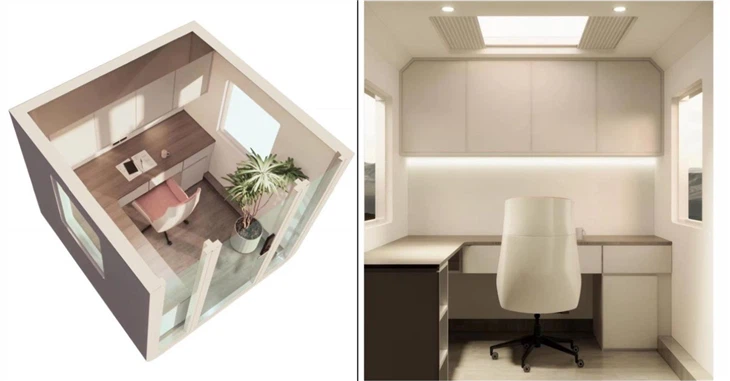
2. Environmental Conditions
Wildlife - rich areas often have unique environmental conditions, such as extreme temperatures, high humidity, or heavy rainfall. Camp capsule spaces need to be designed to withstand these conditions. This may involve using insulation materials to regulate temperature, waterproofing to prevent leaks, and corrosion - resistant materials for durability.
3. Local Regulations
Before installing a camp capsule space in a wildlife - rich area, it's crucial to research and comply with local regulations. Some areas may have restrictions on the type of structures that can be built, the distance from certain habitats, or the impact on wildlife. Failure to comply with these regulations can result in fines or the removal of the capsule.
Design Features for Wildlife - Rich Areas
1. Elevated Design
An elevated design can help prevent damage from flooding and reduce the risk of wildlife access. It also allows for better ventilation and drainage. Elevating the camp capsule on stilts or a platform can create a barrier between the interior and the ground, making it less accessible to ground - dwelling animals.
2. Non - Reflective Materials
Using non - reflective materials for the exterior of the camp capsule can help reduce the impact on wildlife. Reflective surfaces can disorient birds and other animals, especially those that rely on visual cues for navigation. Non - reflective materials blend in better with the natural environment and minimize the disturbance to wildlife.
3. Secure Storage
Camp capsules should be equipped with secure storage areas for food and other items that may attract wildlife. These storage areas should be made of durable materials and have tight - fitting lids or doors to prevent animals from getting inside.
Case Studies
There are numerous successful examples of camp capsule spaces being used in wildlife - rich areas around the world. In some national parks, camp capsules have been installed to provide accommodation for visitors while minimizing the impact on the natural environment. These capsules have been well - received by both tourists and park management, as they offer a unique and sustainable way to experience the wildlife.
Conclusion
In conclusion, camp capsule spaces can be effectively used in areas with a lot of wildlife. They offer a range of benefits, including minimized environmental impact, enhanced wildlife viewing experiences, and safety and comfort for occupants. However, it's important to consider the challenges and design the capsules appropriately to ensure a harmonious coexistence with the wildlife.
If you're interested in exploring the possibility of using our camp capsule spaces in a wildlife - rich area, I encourage you to reach out to us for a detailed discussion. We have a team of experts who can provide you with more information, answer your questions, and help you find the best solution for your needs. Let's work together to create a sustainable and enjoyable experience in the heart of nature.
References
- "Wildlife Conservation and Sustainable Tourism" by John Smith
- "Designing for the Environment in Wildlife Areas" by Jane Doe
- Local environmental regulations and guidelines for wildlife - rich areas